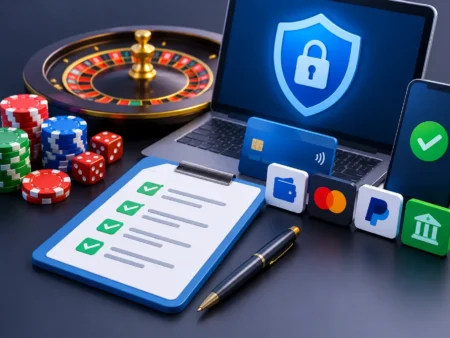
Learn how to protect gambling account access with stronger passwords, two-factor authentication, payment checks, and respond when something looks wrong.

Learn how to protect gambling account access with stronger passwords, two-factor authentication, payment checks, and respond when something looks wrong.

A winning session can turn stressful fast if you cannot log in, your balance changes, or a withdrawal request appears that you never made. Knowing how to protect gambling account access is part of playing smart. Your account holds personal details, payment information, transaction history, and potentially real funds, so it deserves the same attention you would give your online banking.
Fraudsters do not need complicated tricks when players reuse passwords, share logins, or rush through fake messages. A few practical habits can make your account much harder to target and help you spot trouble before it becomes a costly problem.
Your password is the first barrier between your account and anyone trying to access it. A short password, a familiar name, or the same login used for email and social media gives criminals an easy opening. If another website suffers a data leak, reused credentials may be tested automatically on casino, sportsbook, and e-wallet accounts.
Create a long, unique password for your gambling account. A memorable phrase made of several unrelated words is often stronger than a simple word with a few numbers added. Avoid names, birthdays, phone numbers, favorite teams, and common combinations such as `Password123`.
Do not share your login with friends, family, agents, or anyone claiming they can help you place bets or claim promotions. Even where the request feels harmless, shared access creates confusion over deposits, wagers, and withdrawals. It can also violate platform rules and leave you without a clear record of who used the account.
A password manager can be useful if remembering unique passwords feels difficult. It stores complex credentials securely, reducing the temptation to reuse one password everywhere. The trade-off is simple: protect the password manager itself with a strong master password and its own two-factor authentication.
Two-factor authentication, often called 2FA, adds a second check after your password. This may be a code sent to your phone, generated by an authenticator app, or confirmed through a trusted device. If someone obtains your password, they still should not be able to enter the account without that second verification step.
Turn on 2FA as soon as it is available. An authenticator app is generally preferable to text messages because phone numbers can be targeted through SIM-swap scams. That said, SMS verification is still better than using a password alone, especially for players who want a simple and immediate security upgrade.
Keep backup codes somewhere private, not in an unprotected notes app or a screenshot folder. These codes are designed for account recovery, which means anyone holding them may be able to bypass your usual verification method.
Also review the devices connected to your account. Remove old phones, shared tablets, or any device you no longer recognize. If a platform sends login alerts, leave them enabled. A warning about a sign-in from an unfamiliar location may be the first signal that action is needed.
Phishing messages are designed to create urgency. You may receive an email, text, or social media message saying your withdrawal is blocked, your bonus is expiring, or your account needs immediate verification. The message may copy a casino logo, use familiar language, and direct you to a page that looks convincing.
Pause before clicking. Legitimate support teams should not ask for your password, one-time 2FA code, PIN, or full payment credentials through chat, email, or direct message. A real promotion does not require you to sign in through a random link sent by an unknown account.
Instead of following a message link, open the official platform yourself through your saved bookmark or type the known website address directly into your browser. Check the domain carefully, since fake sites often use small spelling changes, extra words, or misleading subdomains.
Be equally cautious with calls claiming to be from support. If you are unsure, end the call and contact customer service through the official support channel inside the platform. Fast action matters, but a rushed response to a fake request is exactly what scammers want.
Payment security is not only about where you deposit. It is also about monitoring what happens after the transaction. Use payment methods registered in your own name whenever possible, and do not let another person deposit or withdraw on your behalf. Third-party payments can trigger verification issues and make disputes harder to resolve.
Review your account balance, deposit history, and withdrawal history regularly. You do not need to inspect every small transaction obsessively, but make a habit of checking after a session and before requesting a withdrawal. Look for payment methods you did not add, unusual changes to personal details, bonus activity you did not join, or bets you did not place.
Set transaction notifications with your bank or e-wallet if that option is available. Alerts for card charges, transfers, and account changes can help you respond quickly if something does not look right. For extra privacy, avoid saving card details on public or shared devices.
Public Wi-Fi is another common weak point. Logging in from airport, café, hotel, or shopping-center networks can expose your session to additional risk, particularly if you connect through an unsecured network. Use your mobile data connection or a trusted private network when handling deposits, withdrawals, and account settings.
Your gambling account is only as secure as the phone number and email address attached to it. If someone gains control of your email, they may be able to reset passwords for multiple services, including your gaming account. Use a separate, strong password for email and enable 2FA there as well.
Keep your phone updated and protected with a passcode, biometric lock, or both. Do not install unofficial apps that promise betting tips, guaranteed signals, bonus hacks, or enhanced casino access. These apps may contain malware designed to capture passwords or intercept verification codes.
Be careful with browser autofill on shared devices. It can save usernames, passwords, addresses, and payment details for the next person who opens the browser. Always log out fully after playing on any device that is not exclusively yours.
Do not wait for more proof if you see a login alert you do not recognize, a changed withdrawal method, or a balance movement you cannot explain. Change your password immediately from a secure device and sign out of all active sessions if that option is available.
Then contact the platform’s official support team and report exactly what you found. Include the approximate time, suspicious transaction details, unfamiliar device information, and screenshots if you have them. Avoid posting account details publicly or sending sensitive information through unofficial social media accounts.
If your email, bank account, card, or e-wallet may also be affected, secure those services next. Change passwords, review recent activity, and contact the provider’s fraud team when necessary. The order matters: regaining control of your email is often essential because it may be used to reset everything else.
For players using platforms such as AiPlay, account verification can also help support teams confirm that they are dealing with the real account holder. Keep your registration details accurate and do not create multiple accounts to work around a login issue. It may complicate recovery at the moment you need help most.
Security includes protecting your decisions, not just your password. Never chase an unfamiliar message promising a guaranteed win, private odds, or an instant withdrawal fix. If gambling stops feeling like controlled entertainment, use available deposit limits, cooling-off tools, or self-exclusion support before another session begins.
Your best protection is a steady routine: unique password, 2FA, private devices, official support channels, and regular payment checks. Put those habits in place before your next bet, so the only surprises on game day come from the action you chose to play.